Fictions as Practice
mosquitosbottleneck << / >> Olzweg
“Between all the wood of the small Park of Versailles, that which one names the Labyrinth, is completely advisable by the innovation of the design…It is named Labyrinth, because it is an infinity of small alleys there so much frays the ones with the others, that it is almost impossible not to be lost there. But also so that those which are lost there, can be lost agreeably, it does not have there a turning which does not present several works at the same time at the sight, so that with each step one is surprised by some new objects”
Charles Perrault, 1770.
“To have a feeling of balance, the feeling of an eternal biology, nature, the organicity, temporary, which is spiritual in the eternal. Puppy implements this type of reading. Does one want to be been used or to be for the service? He puts in scene relations at the world and the capacity. The success of Puppy comes owing to the fact that it treats control and loss of control. Certain plants push in a way, others differently. It is with the loss of control that the public is sensitive”
Jeff Koons
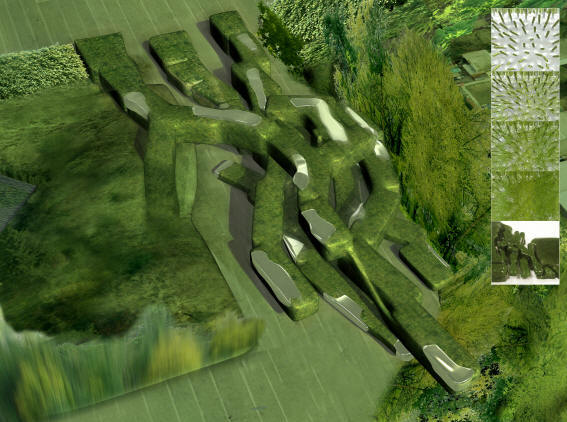
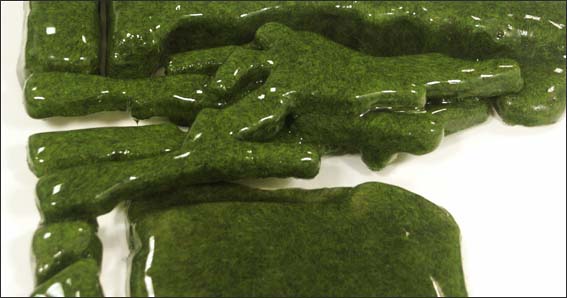
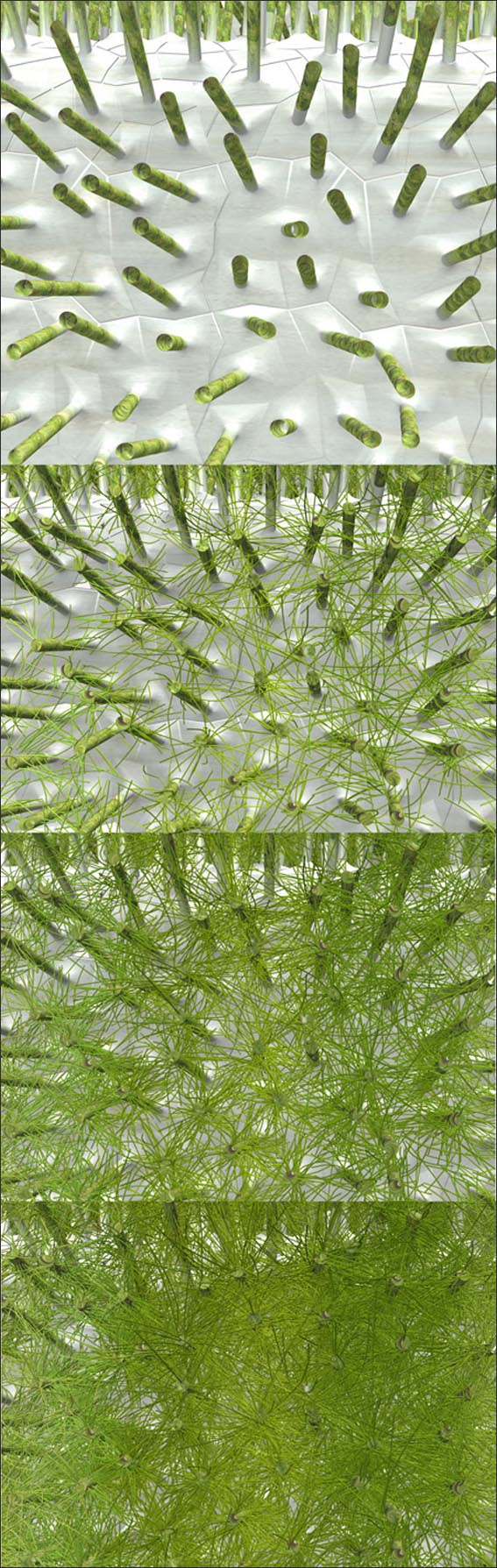
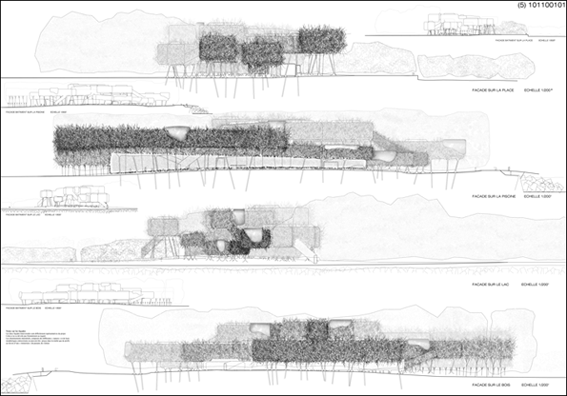
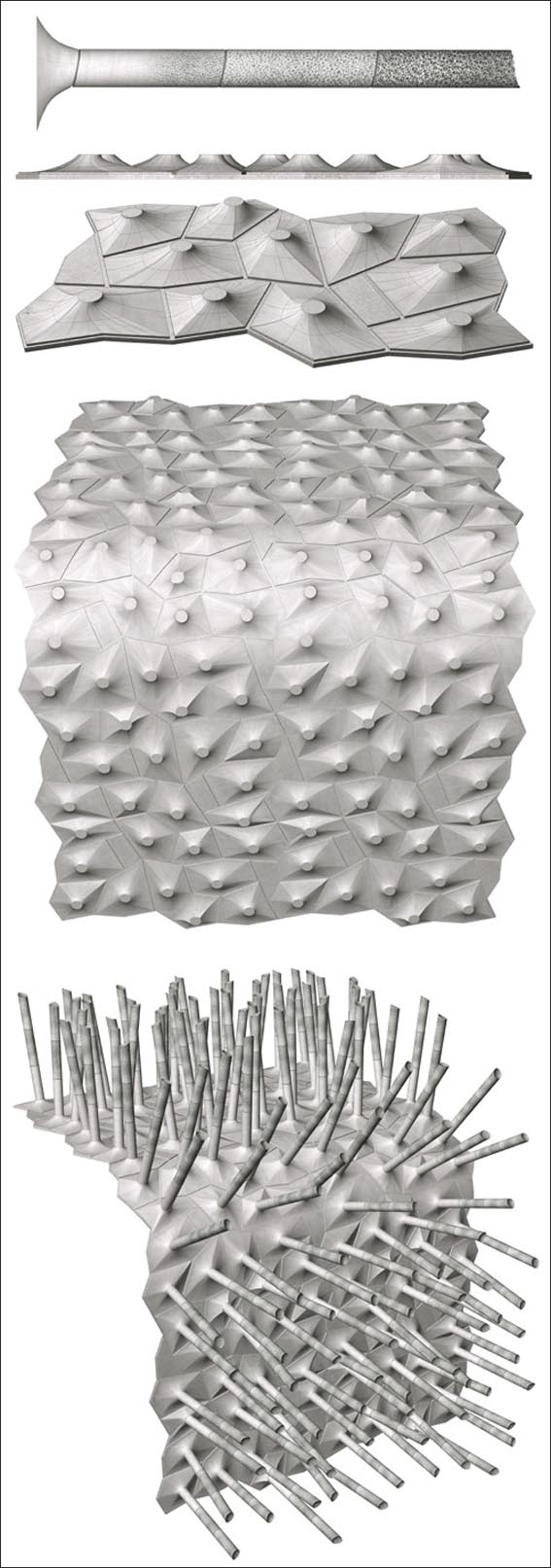
Green Gorgon
Lausanne,
Switzerland, 2005
Architect: New-Territories / R&Sie (n) - Paris
Creative team: François Roche, Stephanie Lavaux, Jean Navarro with Philippe Parreno
&
Mathieu Lehanneur, Guscetti and Tournier, VP & Green, Klaus Daniels, Michel Boulcourt
Key dimensions:
7,000 m2.
Customer: City of Lausanne
Cost: 40 € million
Text:
Museum of the town of Lausanne. Particularly heterogeneous collection (various
dating and source), whose nature hesitates between a “cabinet of curiosity” and
a freak museum. The scale of this collection in fact thus one of the “strange”
museums more, out of time, or the contemporary art infiltrates as by error of
casting.
Scenario:
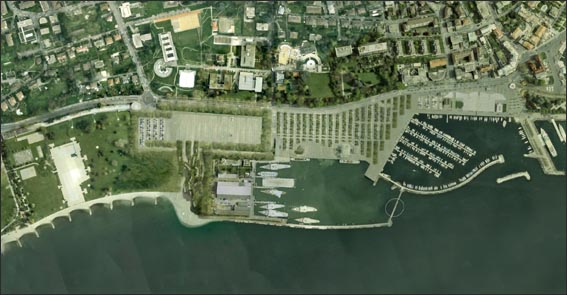
1) Recognition of the “natural” fake of the place (polder developed on the lake)
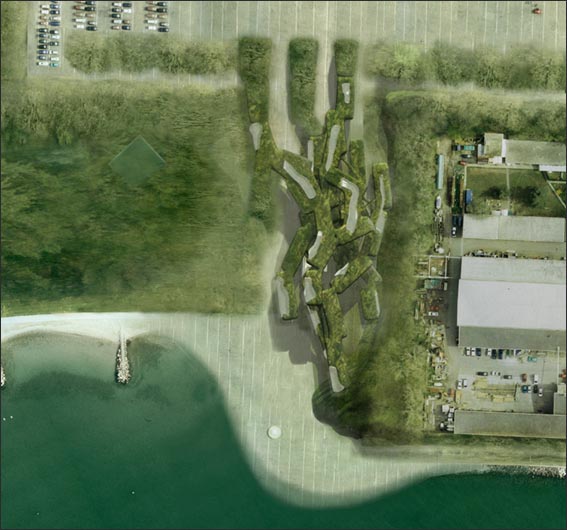
2) Development of a strategy heterotopic, tentacular, uncertain, organic.
3) Scenarios of confusion between various natures - built natures (facade in hydro-aeroponiques, biodynamic green hairs) and urban, spontaneous, haunted natures, in order to generate a hybrid landscape, non-identifiable.
4) Using the photosynthesis of all green façades to recycle and clean waste water.
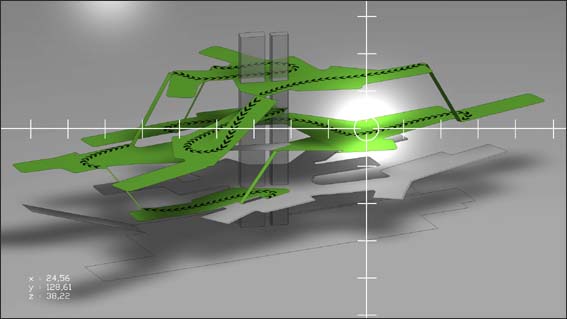
5) Introduction of this knotty geometry into indoor morphology of the exhibition rooms. A place where perdition, looseness is plausible, where the tangled up ambulation becomes the support of a collection which is not it less. Complexity is a tool of reprogramming and deprogramming, folding and unfolding.
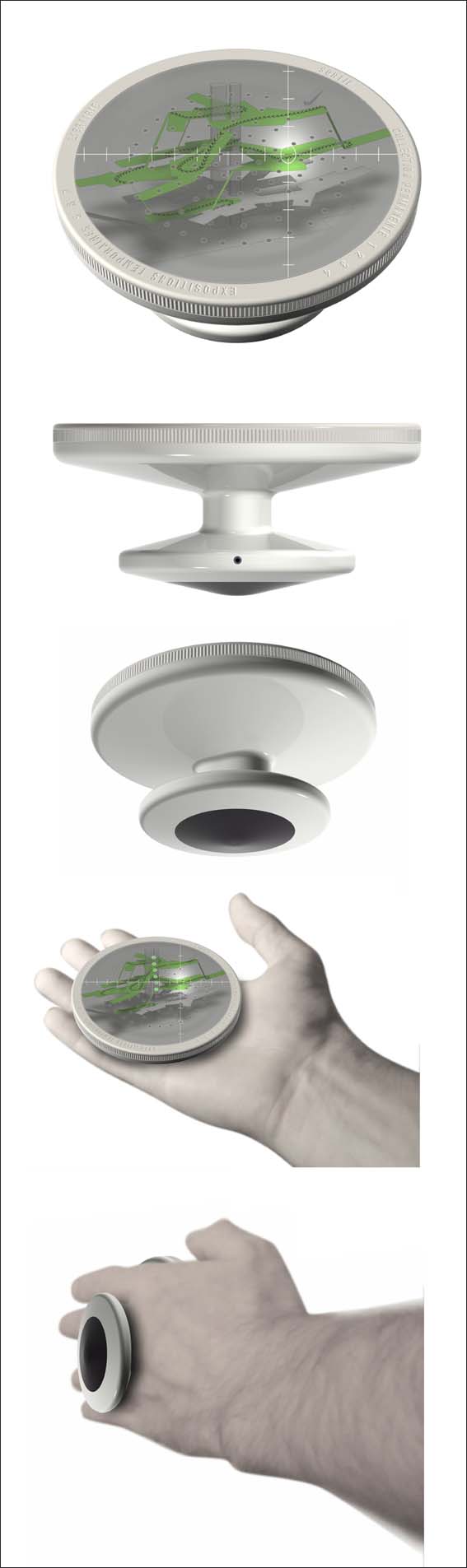
6) Individual positioning by portable GPS, coupled to an informational PAD. The visitor use this i-compass to move and get more details (sound and video) on each art piece.

|
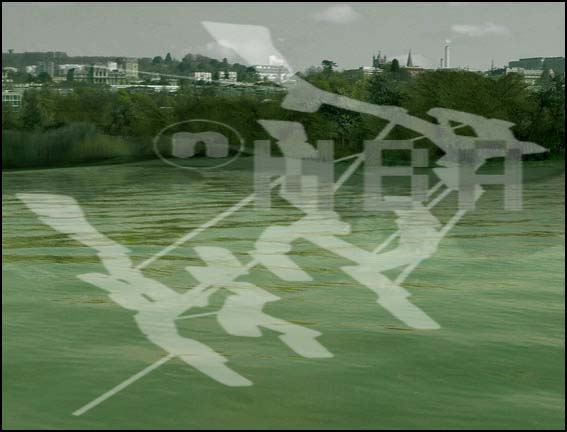
The nMBA is
the emanation of a lakeside biotope. A reflection in water of branches and
undulating gnarled forms was the image that served as the projet’s
starting point. A strange and enchanting dream, Ophelia’s hair, or one of
Grimm’s fairytales that takes place in the middle of a forest.
It’s designed as a “heterotopian” location (Michel
Foucault). |
|
NewT/R&Sie (n)… Architectes / Paris, Mandataire François Roche, Stéphanie Lavaux, Jean Navarro Associé à Philippe Parreno, Artiste / Paris & Guscetti et Tournier, Bureau d’Ingénierie, Carouge / Suisse VP & Green / Paris / Ingénieur Façade Klaus Daniels / HL Technik / Munich /Allemagne / Ingénieur Thermique Michel Boulcourt, paysagiste / Paris Mark Dion, Artiste / USA Mathieu Lehanneur / Paris / Designer GPS Sergio Ochatt / Paris / Scientifique botaniste Ami Barak / Paris / Muséographe Collaborateurs : Miguel-Angel Munoz, Quck Zhong-Yi, Kika Estarellas, Maud Godard, Julien Jacquot |